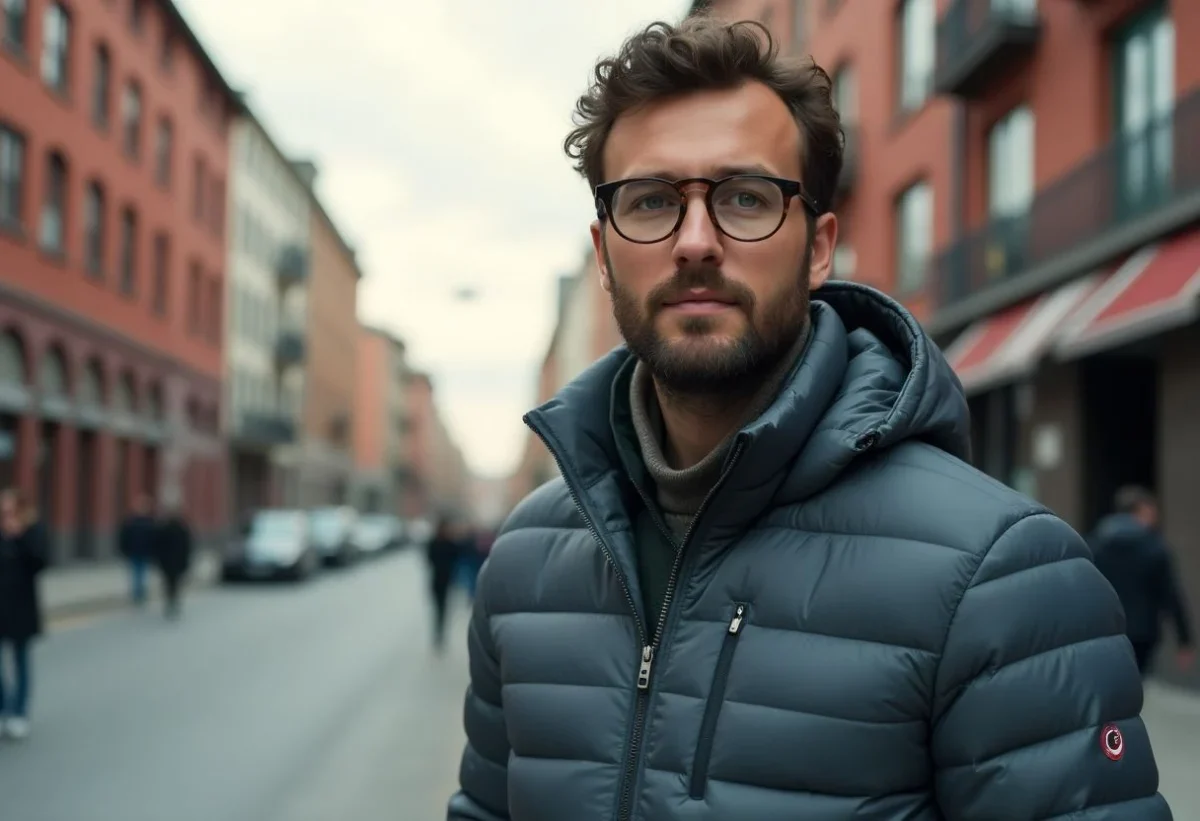
Forget the dogmas of a fixed wardrobe: the light down jacket is far from just a passing trend. This garment has established itself through its effectiveness, capable of combining style, functionality, and adaptation to weather variations. As the weather plays acrobat, when the cold is discreet without really fading away, this jacket proves to be remarkably practical. It has shaken up our dressing habits and redefined the mid-season.
The origins of the light down jacket
Tracing back to the source of the down jacket reveals that it has completely changed trajectory. Initially, this bulky piece was reserved for snow expeditions, designed more for intrepid mountaineers than for city dwellers. Maximum insulation, minimal practicality: that was its first DNA, made to withstand harsh winter, even at the cost of everyday comfort.
But the revolution began in the 1970s, driven by textile innovation and the instinct of creators:
- New materials emerged: nylon and polyester made their entrance, the cut became lighter, and the down jacket slipped into a new setting.
- The runways embraced it, and so did the streets. The garment became democratized, becoming more urban, appealing beyond the mountain universe, while never losing its protective side.
Gradually, this second skin established itself as the ideal ally for cool days and uncertain evenings. It combines freedom of movement and modernity. Many now see it as a given, not just a simple winter accessory.
Materials: performance and conscious choices
It all starts with the fabrics. A model of light down jacket worthy of the name relies on nylon or polyester, true barriers against wind and moisture. These fibers have been cultivated by textile research to offer durability, lightness, and comfort with every wear.
The question of insulation arises quickly. Goose or duck down: the natural option ensures flawless insulation, warming without adding bulk to the silhouette. However, ethics are shaking things up. Synthetic alternatives are gaining ground, mimicking performance while addressing current challenges. Some brands are advancing on this path, driven by the demand for responsible fashion.
Adopting the light down jacket with style
To integrate this piece into your daily wardrobe, a few practical tips make all the difference:
- Mastered layering: The light down jacket can be worn over a thin sweater for a casual look, or slipped under a warmer coat if the weather turns capricious.
- Invest in accessories: A colorful scarf or a carefully chosen wool hat adds personality to your silhouette without overdoing it.
- Dare with color or sobriety: Bright tones liven up the outfit, while neutral shades remain at the forefront of elegance; everyone chooses according to their desires or mood.
In major cities, from the avenues of Paris to the squares of Milan, the light down jacket quietly integrates into all routines. It accompanies those caught off guard by the weather, providing protection against the evening’s biting wind, without ever looking out of place.
Care: preserving quality, season after season
Keeping a light down jacket in top shape is not a chore if you know the right reflexes. A careful look at the label is enough to adapt to the specifics of the fabric and insulation. Opting for a delicate wash at low temperature helps preserve both the structure and thermal performance.
Here are the steps to prioritize to keep your garment looking great:
- Select a detergent designed for technical materials to preserve the insulation and its insulating effect.
- During drying, adding a few tennis balls to the drum helps distribute the filling to maintain an even volume.
With these few attentions, the light down jacket remains functional and pleasant, ready to face each seasonal change without faltering.
Between two seasons, the light down jacket continues its discreet yet assured rise. It’s no surprise that it attracts more and more followers, as comfort and style no longer have to battle. Who knows? One day, it may become the new essential for all our transitions.