The well-being of seniors after 60 is not just a list of good habits. Preventive measures have evolved significantly in recent years in France, and healthcare professionals now have early detection tools that change the game. We are seeing a shift towards a logic of anticipation, well before the onset of dependency.
My Prevention Assessment at 60: the program that seniors underutilize
Launched in 2024, My Prevention Assessment provides for an individual exchange with a healthcare professional at four key ages, including 60-65 and 70-75 years. This appointment covers nutrition, physical activity, mental health, addictions, and living conditions.
The uniqueness of this assessment lies in its holistic approach. It is not just a simple medical check-up, but a structured interview that also evaluates the person’s environment. A trained professional identifies modifiable risk factors and directs towards concrete actions before a loss of autonomy sets in.
The problem: this program remains largely unknown. Many seniors wait to face a difficulty before consulting, whereas the interest lies precisely in anticipation. We recommend requesting this assessment as early as 60 years old from one’s general practitioner or a participating healthcare professional, including for those who want to learn more about Le Coin du Bien-être wish to structure their prevention approach.
ICOPE Program: identifying frailties before dependency
The ICOPE program, inspired by the WHO and deployed in France by the Ministry of Health starting in the summer of 2025, is based on a multidimensional assessment. Mobility, vision, hearing, memory, mood, and nutrition are scrutinized through a standardized questionnaire.
The originality of the French deployment lies in its field partnerships. An experiment conducted with La Poste and the Marne department combined postal factors with self-assessment by seniors, with a re-evaluation planned six months later. This model shifts prevention from the medical office to the home.
When the questionnaire reveals a difficulty in one of the evaluated areas, the person is directed to a competent professional. This approach avoids two classic pitfalls: late detection and the multiplication of uncoordinated consultations.
What the program concretely evaluates
- Mobility and fall risk, through simple functional tests that measure balance and walking speed
- Sensory capacities (vision and hearing), often overlooked even though they condition the maintenance of autonomy and social connection
- The psychological dimension (mood, memory), to identify early signs of depression or cognitive decline before they worsen
- Nutritional status, because silent undernutrition affects a significant number of people over 70
Senior isolation: from prevention to social prescription
Social isolation is now treated as a health risk factor in its own right. Approaches are evolving towards what the Anglo-Saxons call “social prescription”: a healthcare professional directs a patient not to a medication, but to a local community activity.
This model, already structured in the UK, is beginning to spread in France. Clubs, artistic workshops, reading groups, or adapted physical activities are becoming prescribed responses, just like a treatment. The logic is as follows: maintaining social connections reduces the risks of neurodegenerative diseases and functional decline.
For seniors living at home, this approach requires a strong associative and municipal network. Municipalities that invest in coordinated prevention programs observe a longer maintenance of autonomy among their elderly residents.
Digital risks and seniors: a blind spot in health prevention
The digitization of public and health services creates a double vulnerability for people over 60. The first is functional: difficulty using appointment booking platforms, medical follow-up, or accessing rights. The second is security-related.
Digital scams targeting seniors are multiplying, from fake bank calls to emails impersonating Health Insurance. Awareness workshops on digital scams are developing across the territory, particularly starting in the fall of 2026, to train elderly individuals in basic reflexes.
Digital skills and health autonomy
The issue goes beyond simple protection against fraud. Accessing test results, booking an appointment online, using a health tracking app: these actions increasingly condition effective access to care. A senior who does not master these tools finds themselves excluded from part of the prevention journey.
We observe that training offered by local structures (social centers, libraries, associations) yields better results than online tutorials, precisely because they combine technical learning with social connection. This is a lever for well-being with a dual effect.
Adapted physical activity and nutritional balance after 60
Physical activity remains the best-documented pillar of healthy aging. We recommend prioritizing activities that simultaneously work on endurance, muscle strengthening, and balance, rather than focusing on just one aspect.
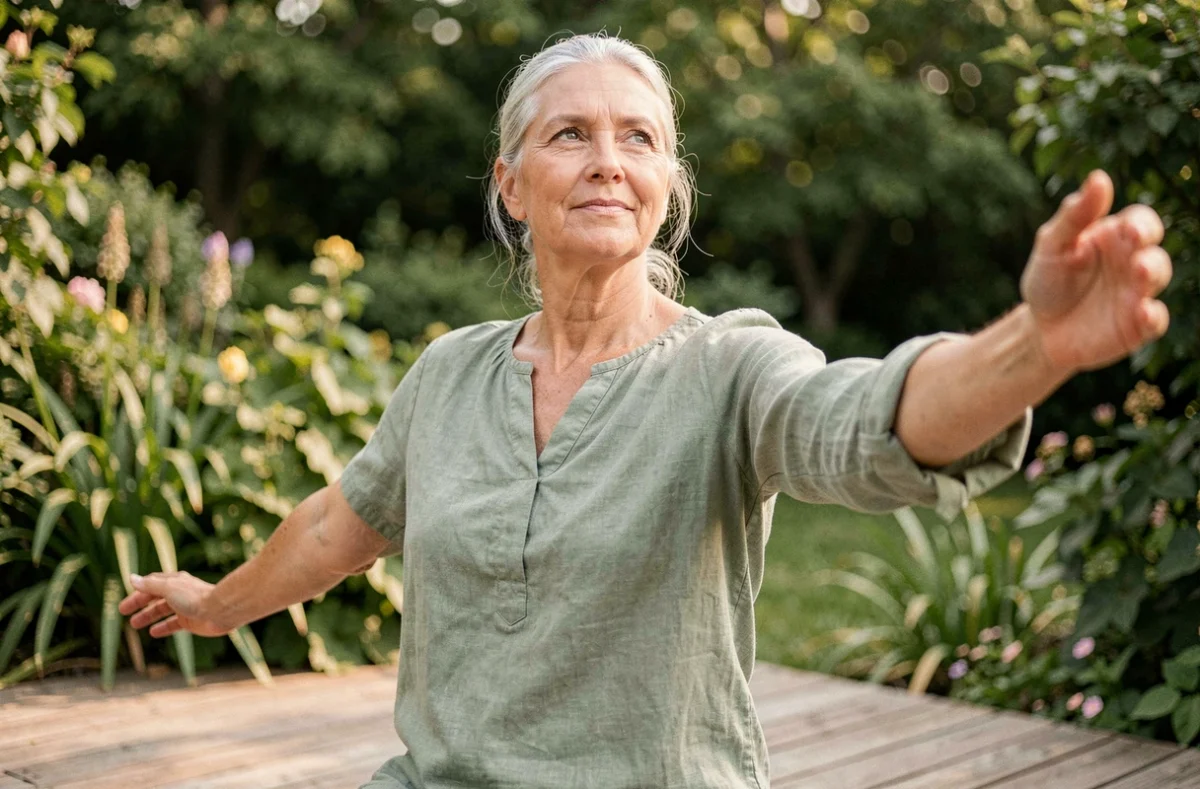
Brisk walking, swimming, or tai chi check all three boxes. Balance is the most underestimated component, while falls are the leading cause of loss of autonomy among the elderly in France.
From a nutritional standpoint, the main issue after 60 concerns protein intake. Sarcopenia (age-related muscle loss) accelerates when protein intake is insufficient. Distributing protein across three meals rather than concentrating it at dinner improves absorption.
Prevention assessments and programs like ICOPE do not replace daily habits, but they allow for precise adjustments. A senior who combines structured follow-up with active lifestyle choices has the best chances of preserving their autonomy over time.