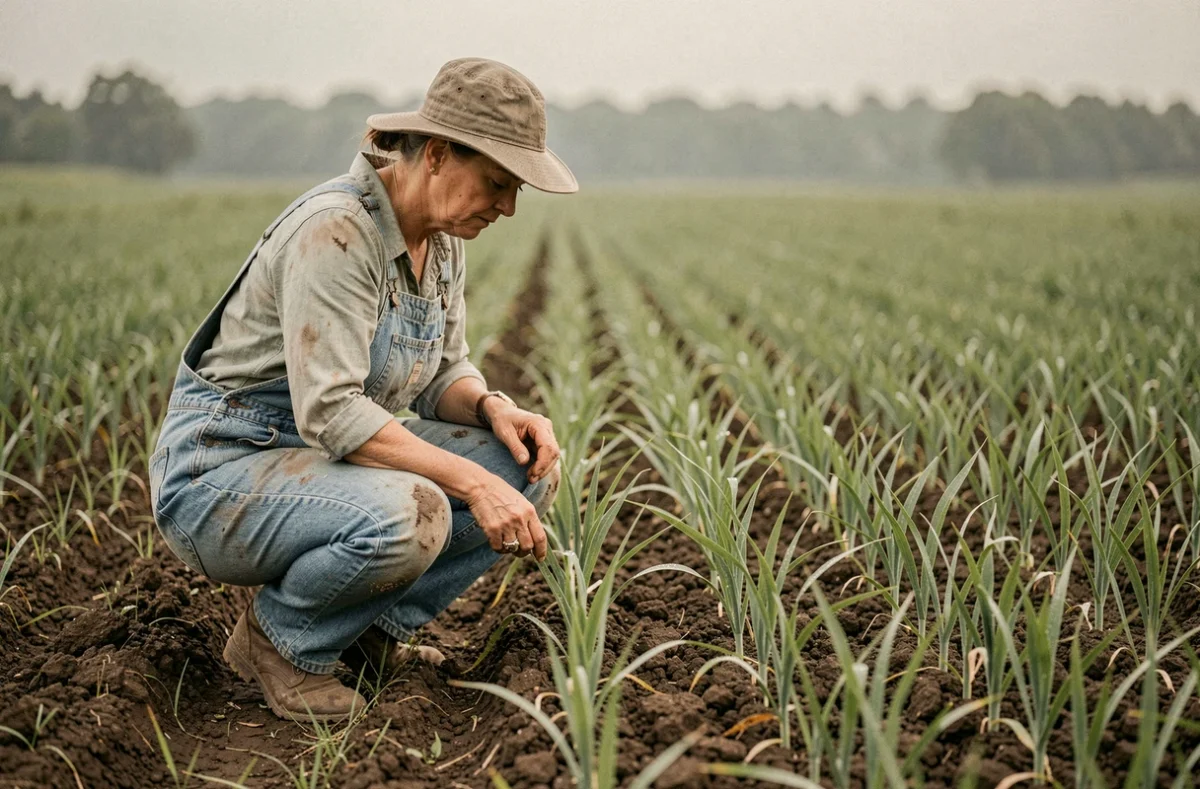
Summer 2026 has left deep marks on French farms. Prolonged heatwave, record drought in several production basins, fires affecting crop and forest plots: the agricultural world is facing an unprecedented accumulation of climatic hazards. The public responses and regulatory adjustments that follow are reshaping the framework within which farmers will operate for the upcoming campaigns.
Reform of agricultural climate compensation: what changes from 2027
Beyond the summer emergency, a structural modification of the yield loss calculation has been announced. Starting from the 2027 campaign, the reference period will increase from five to eight years to assess yield declines that qualify for compensation. The Ministry of Agriculture presents this adjustment as a response to the recurrence of extreme climatic events.
With a five-year window, a farm hit for two consecutive years would see its reference average drop quickly, which mechanically reduced the amount of future compensations. By extending to eight years, the smoothing is broader. Field feedback varies on this point: some unions believe that eight years remain insufficient in areas already affected for a decade, while others see it as a concrete step toward stabilizing cash flows.
This reform is set against a backdrop where crop insurance, revitalized in recent years in France, still struggles to cover all productions. Specialized crops (fruit growing, viticulture, market gardening) are often underinsured, due to a lack of suitable products or premiums deemed too high by farmers.
Drought plan 2026: over one billion euros for farmers
On September 4, 2026, the government announced a support plan of over one billion euros aimed at farms affected by the drought and fires of the summer. The scheme covers several aspects, and those who follow all the news from Loisiragri were able to find the details as soon as it was published.
The announced measures include:
- Direct aid to compensate for the increased costs of inputs (animal feed, emergency irrigation) for the most affected farms.
- A temporary easing of certain administrative constraints, to allow farmers to react more quickly (exemptions on fallow land, advancement of authorized sowing dates).
- A cash flow component with deferrals of social and tax charges, as well as subsidized loans for structures whose viability is threatened.
The first state recognitions of crop losses were published shortly thereafter, paving the way for the payment of compensations under the agricultural disaster regime. The speed of this recognition is noteworthy: during previous droughts, administrative delays sometimes exceeded several months before payments began.
Mandatory digital phytosanitary register in 2027: what impact on farms
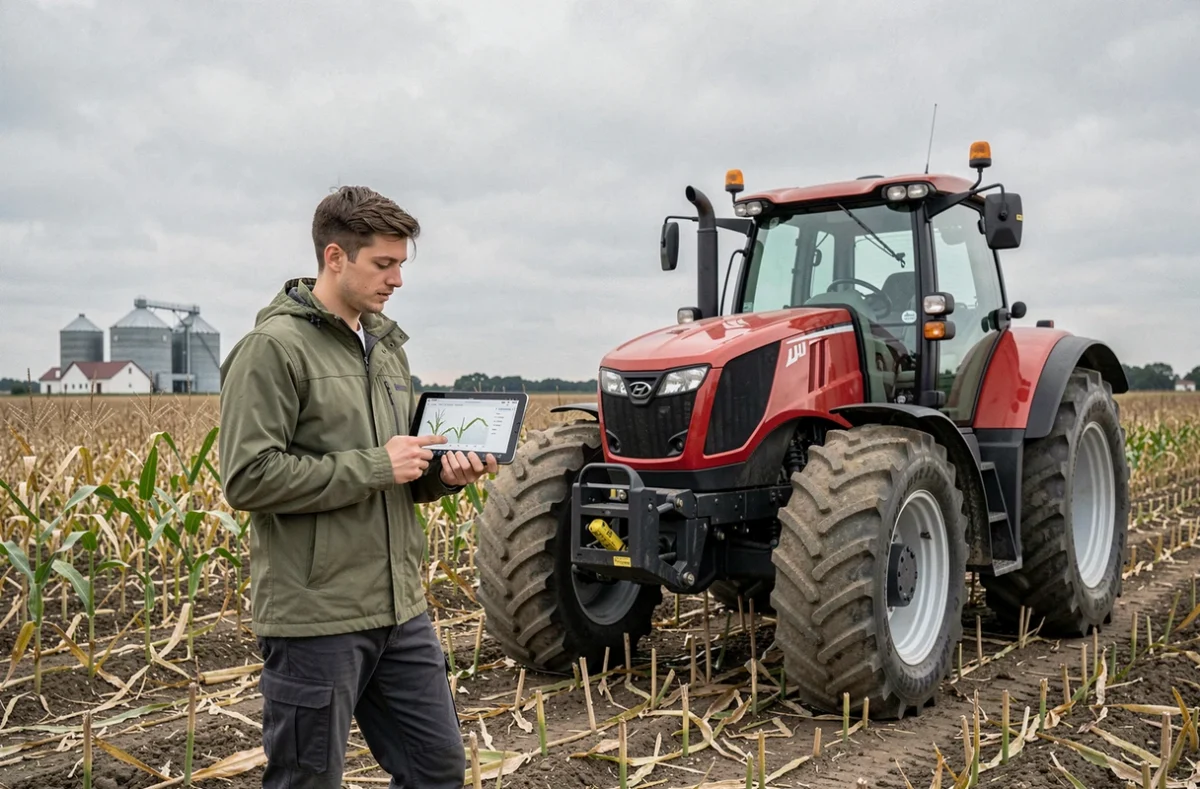
Another regulatory deadline to watch: the digital recording of phytosanitary interventions will become mandatory in 2027. The Ministry of Agriculture has confirmed this timeline, which applies to both crop treatments and seed treatments.
For farms already equipped with digital parcel management tools, the transition will be gradual. However, for a significant portion of farmers still using paper notebooks or spreadsheets, the switch to a digital register represents a real change in practice.
Several questions remain open:
- The available data does not allow for conclusions about the current level of digital equipment among French farms, with estimates varying by source.
- The cost of compliance (software, training, equipment) has not been officially quantified for small structures.
- Interoperability between different market software and the public declaration platform remains to be clarified.
The development of digital agriculture in France has been one of the strategic focuses of the ministry for several years. This transition to a mandatory register is one of its concrete translations, but it requires on-the-ground support that agricultural chambers will need to organize on a large scale.
Agricultural education and generational renewal in France
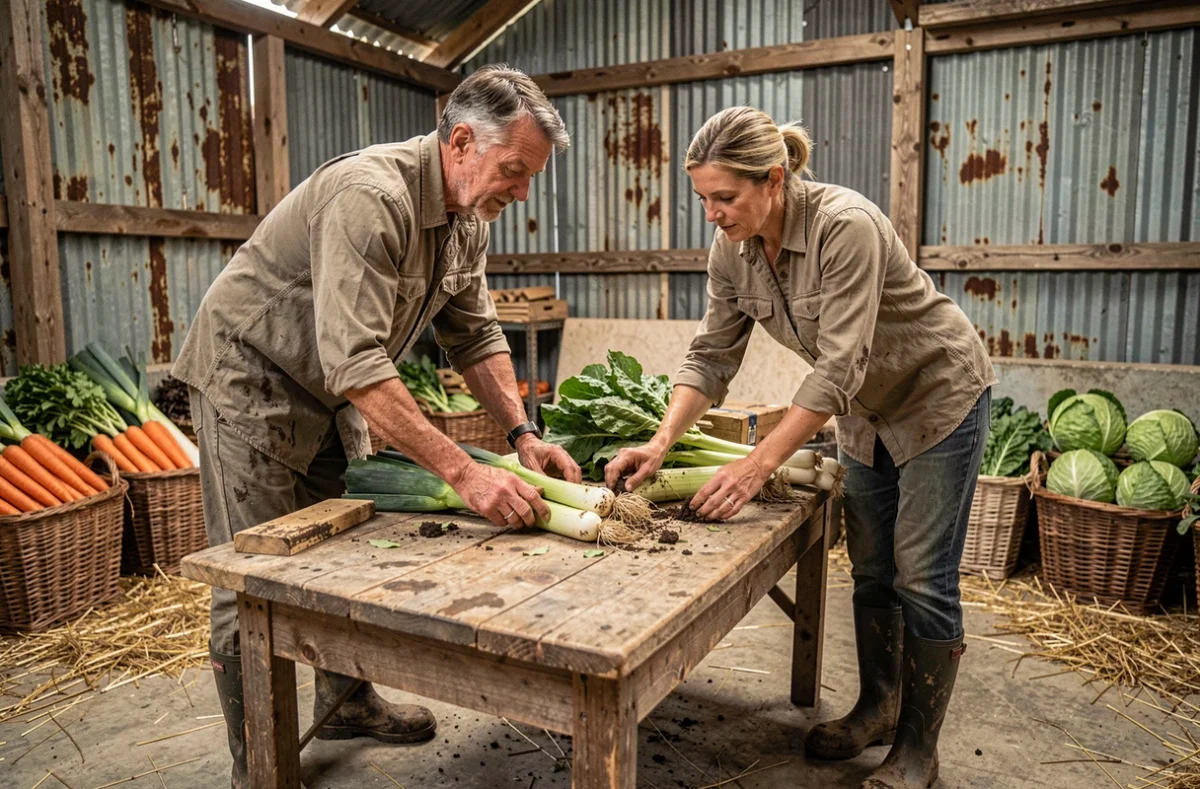
The 2026 school year confirms a positive dynamic for agricultural education. The ministry has reported an increase in enrollment in agricultural high schools and training centers, indicating that the sector is attracting new profiles, including individuals undergoing professional retraining.
Generational renewal remains a structural issue. The majority of active farmers are approaching retirement age in certain sectors, and installation projects sometimes struggle to materialize due to land costs and administrative complexity. Agricultural training plays a direct role in the sector’s ability to maintain its productive fabric.
Training programs now include more modules related to agroecological transition, climate management, and digital tools. This evolution of curricula reflects the realities that future farmers will face upon their installation.
Agroecological transition and research: tools under validation
On the research side, INRAE has inaugurated a confined greenhouse within the Emergreen platform, a unique tool in Europe for research on crop pests. This type of infrastructure allows for the study of harmful organisms (such as the pine nematode) under controlled conditions without the risk of dissemination, and accelerates the development of alternative pest control methods to chemical products.
The institute has also highlighted two decision-support tools for animal health and nutrition, awarded at the Innovspace fair. These tools illustrate a fundamental trend: agricultural production increasingly relies on data and predictive models to optimize practices, reduce inputs, and improve farm productivity.
The available data does not yet allow for measuring the actual adoption of these tools at the national level. Their deployment will depend as much on their economic accessibility as on the ability of advisory networks to integrate them into their daily support for farmers.