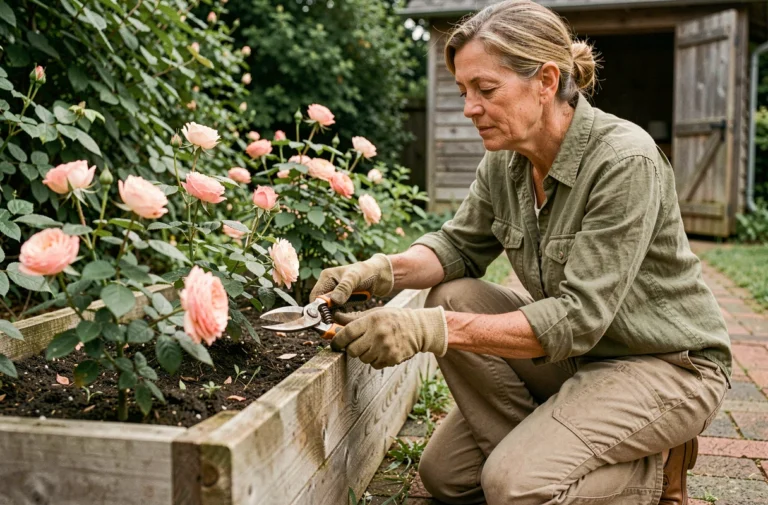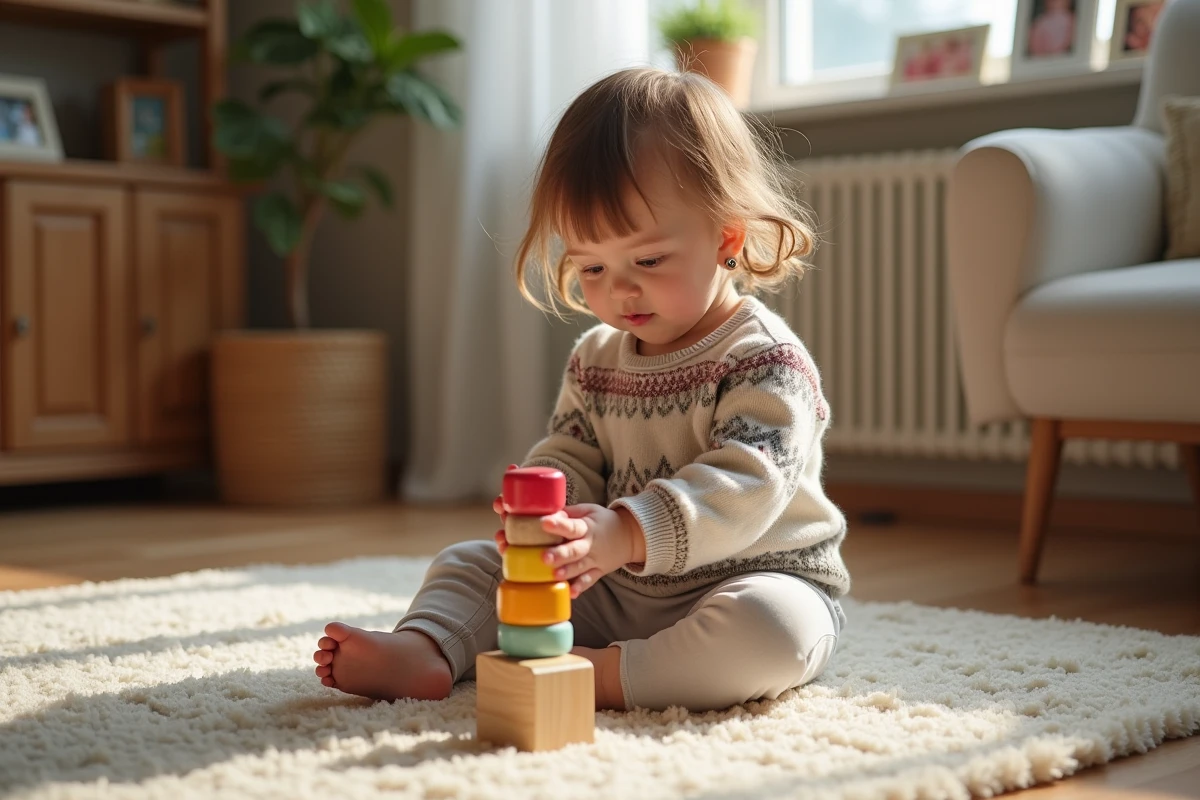
In a world where reference points are shifting, there is no universal manual to support the first steps towards autonomy of a young child. At two years old, a child can already demand to do things alone, but they do not adhere to any predictable clock. Some move forward silently, others challenge expectations or cling to each step as if the next one does not exist.
Adjustment: that is the word that keeps coming up in life alongside young children. Encouraging, offering suitable choices, knowing when to intervene or when to step back, these micro-decisions, day by day, build confidence, curiosity, and the drive towards autonomy.
Understanding the key stages of autonomy in young children
Autonomy is not a distant goal: it is present in every gesture of the child’s development. It shapes confidence, sharpens curiosity, and opens the door to exploration and choice. From the first months, progress is evident: a child crawls, then walks, climbs, tries to grab and manipulate. Gross motor skills are first expressed through movement; fine motor skills emerge later, in the ability to grasp a spoon, stack, draw, and zip up. All of this unfolds at the unique pace of each child, far from comparison. Free play emerges as a natural testing ground: it allows for daring, creating, and taking measured risks. The adult is neither a conductor nor a passive spectator: they provide a safe framework, observe, and encourage without rushing. According to educator Isabelle Rainville, every advance, even the smallest, contributes to the construction of the child’s identity. Gradually, taking small responsibilities becomes part of the routine: tidying up, trying to dress themselves, participating according to their abilities. These actions, always adapted to the age and developmental stage, pave the way for independence. But nothing replaces emotional security. A child who is listened to and surrounded allows themselves to make mistakes, tries, and starts again. Pediatrician Catherine Gueguen emphasizes this: kindness does not hinder autonomy; it nourishes it. To go further and find resources on family life or the first steps towards independence, https://lesptitszouinszouins.fr/ offers valuable insights.
How to recognize and encourage the first signs of independence in daily life?
The first autonomous impulses can be observed in a multitude of small gestures: a child trying to put on their slippers, using a spoon, insisting on saying their own words. Fine motor skills sharpen through experimentation, while gross motor skills explode in running and falling, always accompanied by laughter and renewed efforts. These signals reflect a pressing need to do things by oneself. To support an autonomous child, it is wise to adjust the environment and interactions. Here are some concrete suggestions:
- Offer clear and limited choices: two pieces of clothing, two toys, no more.
- Allow space for experimentation, the right to make mistakes, and repeated attempts.
- Rely on emotional security, a foundation emphasized by psychologist Héloïse Junier, to encourage initiative.
- Observe, encourage, and verbalize: “You are trying, you are starting again, you can do it.”
Over time, repetition hones skills and strengthens the child’s confidence. Language develops through contact with adults: naming, questioning, waiting for a response, expanding vocabulary. Picture books, nursery rhymes, finger games: all ways to enrich awareness and language development. Educator Jean-Michel Bocquet encourages making daily life a learning ground: setting the table, recounting the day, participating in small tasks. Among the useful levers, we can highlight:
- Free play, which stimulates creativity and the capacity to experiment.
- Valuing every attempt, even imperfect: effort takes precedence over results.
- Adapting the space to allow the child to progress at their own pace.
By supporting these first steps, we give the child the opportunity to grow, learn from their mistakes, and assert themselves, day by day.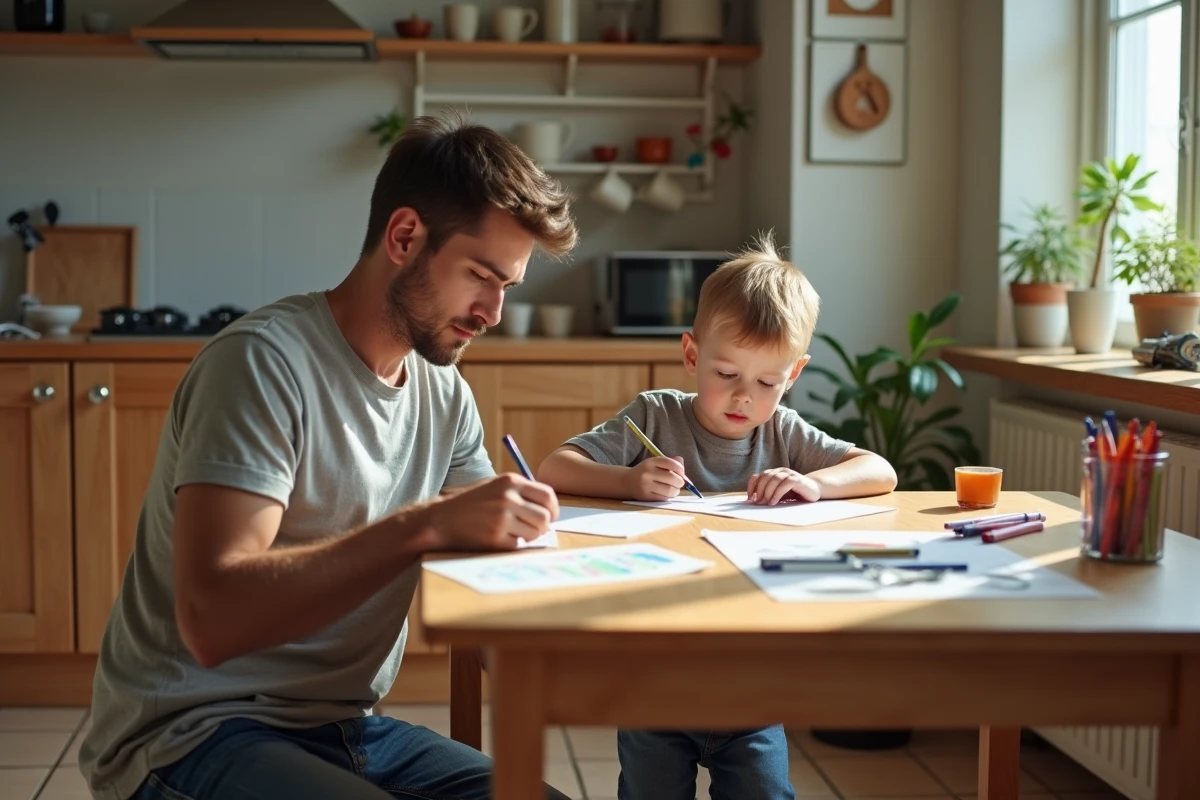
Concrete tips to guide your child towards greater autonomy, with confidence
Transforming daily life into a testing ground
Every moment spent together can become an opportunity to strengthen the child’s autonomy. Bath time, meals, tidying up: everything lends itself to this. Arrange the space within reach: low shelves, accessible boxes, well-chosen items. Invite the child to set the table, to choose the napkin or glass: giving choices stimulates confidence and decision-making.
Valuing initiative, taming mistakes
Offer the freedom to try and fail. Support without doing it for them: show, explain, then let them act. For meals, provide an appropriate spoon; for dressing, guide, verbalize, and be patient. Allowing the child to experiment gives them the chance to build their self-confidence and perseverance.
Here are some guidelines to support autonomy in daily life:
- Establish stable routines to structure and reassure.
- Allow ample space for free play, a powerful engine for spontaneous learning.
- Offer a variety of fun activities: modeling, drawing, water play or transferring, all opportunities to exercise both fine motor skills and gross motor skills.
Numerous books, podcasts, or programs such as “The First 1000 Days” enrich parental support and open perspectives on young children’s development. Autonomy is neither a race nor a slogan: it is shaped, day by day, in trust, attention, and respect for each child’s pace. The most beautiful proof of success? That moment when, quietly, a little one surprises you by doing alone what seemed impossible just yesterday.