In 2023, France has more than 30,000 centenarians, but nearly 800,000 people are between 90 and 99 years old. This age group is growing rapidly: it has doubled in twenty years, while the total population has only increased by 10%. Between staying at home and entering a facility, the distribution is evolving under the effects of aging and societal choices.
Nearly six out of ten nonagenarians still live at home, often alone or with a close caregiver. Collective accommodation solutions, whether EHPADs or service residences, are slowly adapting to this new longevity and the diversity of life paths.
How many nonagenarians live in France today? Key figures to know
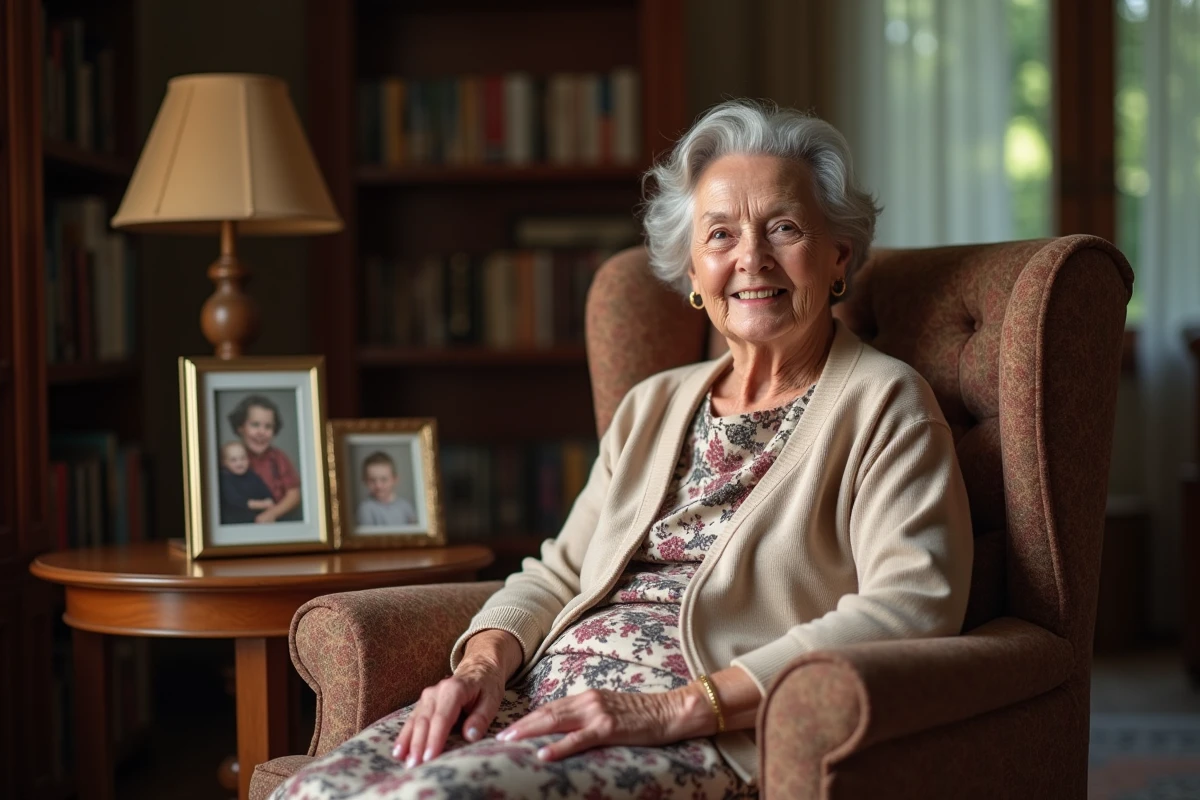
Never before has France had so many people over 90 years old. According to the latest estimates from INSEE, nearly 800,000 nonagenarians currently live in the country. This figure, unimaginable just three decades ago, reflects both the increase in life expectancy and the consequences of demographic aging. But this generation also has a striking characteristic: nearly 83% of nonagenarians are women, compared to only 17% men. This imbalance is explained by higher mortality rates among men, which increase after the age of 80, and profoundly shapes the structure of this age group.
The percentage of people over 90 in France remains modest on a national scale (around 1.2% of the population), but the evolution is rapid. To put it in perspective: in 1970, France had fewer than 100,000 nonagenarians. Today, they are eight times more numerous. This growth raises questions about society’s adaptation, public policies, urban planning, and healthcare organization to this new demographic reality.
The distribution across the territory reveals another face of aging. Rural areas, some regions in the south and west, have a higher concentration of nonagenarians. This significant presence in families and facilities requires us to reinvent our models of solidarity, reception, and support.
Aging is no longer a statistical abstraction: it is now the daily reality for hundreds of thousands of households, faced with the concrete reality of a parent, neighbor, or loved one over 90 years old.
Aging after 90: what are the daily realities for the affected French people?
Reaching the age of 90 in France means entering a rare decade, but one whose stakes weigh more heavily each day. Life expectancy is increasing, but with it come new challenges: isolation, loss of autonomy, physical frailties. For many, staying at home remains a priority, but this requires organizing tailored support, which is often complex.
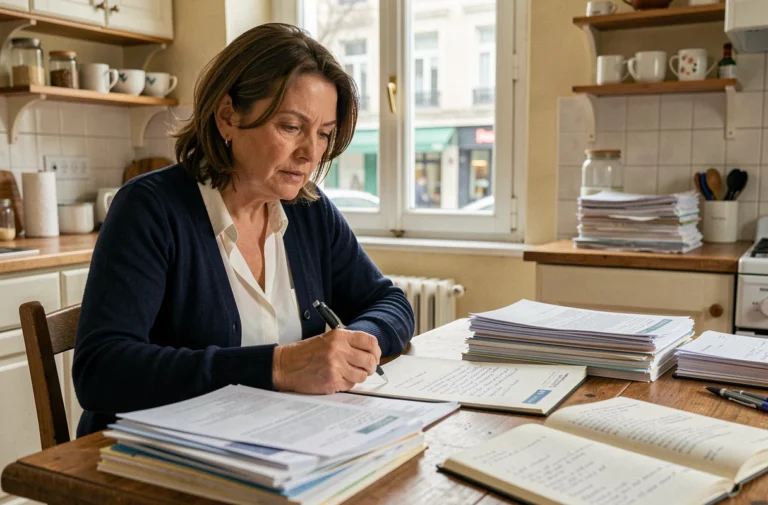
Women overwhelmingly dominate this age group. They live longer, but often alone, widowed, and sometimes distanced from their family circle. Their daily lives revolve around a few stable reference points: the visit of a caregiver, a medical appointment, the discreet support of a neighbor or a professional. Opportunities for outings or activities become rarer, leaving room for repetitive gestures, sometimes leading to a form of dependency.
Here are the aspects that structure the daily lives of nonagenarians:
- Access to healthcare and regular medical follow-up
- Adaptation of housing to limit the risk of falls
- Maintaining social connections despite isolation
Over the years, aging disrupts family balances and forces a rethink of mutual aid. Those over 90 embody both the memory of a bygone era and the urgency to invent new forms of solidarity to support them with dignity until the end.
Nursing homes, autonomous residences, home care: how facilities adapt to the needs of those over 90
In response to the rapid increase in the number of very elderly people, French care structures are adjusting their operations. After 90, loss of autonomy becomes common and requires targeted responses. Nursing homes are reinventing their spaces: easier circulation, modifications to limit falls, living areas designed for slower rhythms and increased medical needs. Teams are being strengthened, incorporating occupational therapists, psychologists, and life assistants to support the diversity of situations.
For autonomous residences, the priority is to allow everyone to maintain their independence while ensuring maximum safety. The services offered are diversifying: on-site dining, adapted activities, medical alert systems. They provide a less medicalized environment than EHPADs, but with constant vigilance to support the evolution of autonomy.
Home care remains the preferred scenario for the majority of nonagenarians. Specialized structures are multiplying solutions: regular visits, housing adaptations, use of assistive technology, coordination among caregivers. The goal is clear: to preserve the dignity of the elderly, delay institutionalization as much as possible, and lighten the burden on relatives who are sometimes overwhelmed.
Among the concrete responses being implemented:
- Specific training for teams on age-related pathologies
- Development of technical and human assistance at home
- Increased presence of tele-assistance devices
The challenge is open: it is about inventing, every day, a society worthy of its elders, capable of offering those who cross the threshold of 90 years much more than just a place, but a true quality of life for these additional years gained over time.